
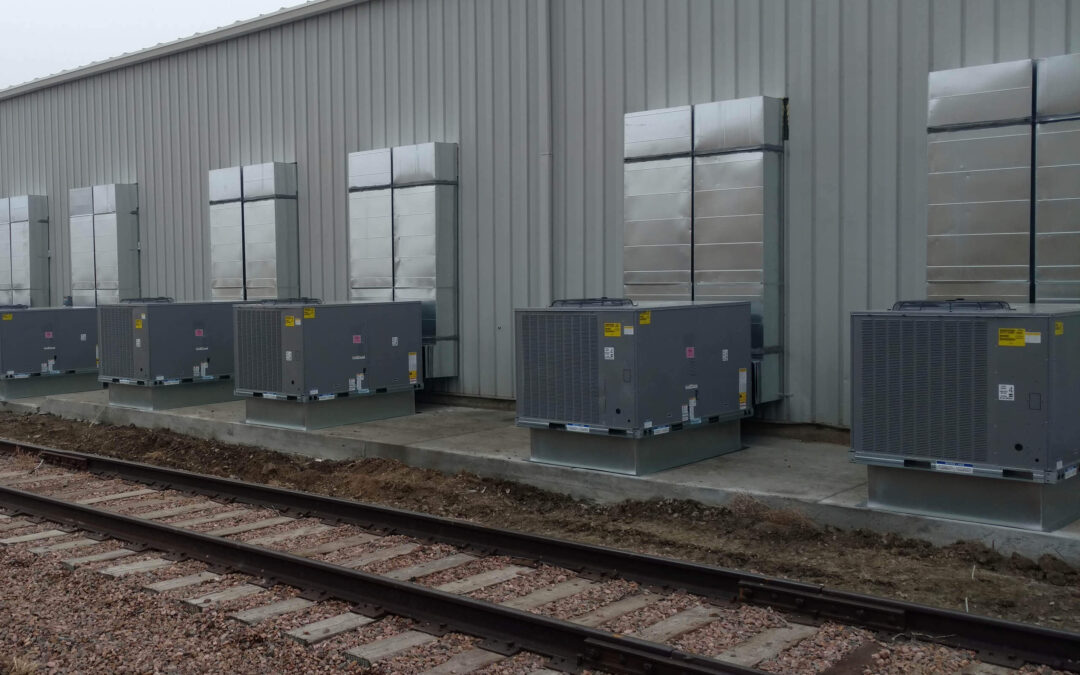
Colorado’s climate can be demanding on commercial HVAC systems. From sub-zero winter temperatures to hot, dry summers and rapid seasonal swings in between, facilities across the state rely heavily on heating and cooling systems to maintain safe and comfortable environments.
For commercial and industrial properties, preventive maintenance is not optional — it is essential.
A well-structured commercial HVAC preventive maintenance checklist helps facility managers reduce unexpected breakdowns, extend equipment life, and control operating costs year-round. Below, we outline what to inspect each season in Colorado and explain how proactive care prevents downtime when you need your systems most.
Why Preventive Maintenance Matters in Colorado
Colorado’s elevation, temperature extremes, and fluctuating humidity levels create unique demands on HVAC equipment. Systems work harder, cycle more frequently, and experience greater stress than in milder climates.
Without routine inspection and calibration, small inefficiencies can quickly become costly failures.
Preventive maintenance helps:
- Reduce emergency repairs
- Improve energy efficiency
- Extend equipment lifespan
- Maintain indoor air quality
- Support code compliance and energy benchmarking
- Protect mission-critical operations
At Thrivaire, more than 95% of our clients rely on structured maintenance programs because they understand the value of staying ahead of problems rather than reacting to them.
Spring HVAC Checklist: Preparing for Cooling Season
Spring in Colorado often shifts quickly into hot summer temperatures. Preparing rooftop units and cooling systems before peak demand is critical.
1. Inspect and Clean Condenser Coils
Dirty coils reduce heat transfer efficiency and force systems to work harder. Cleaning them improves cooling performance and lowers energy usage.
Prevents breakdown by: Reducing compressor strain and preventing overheating.
2. Check Refrigerant Levels
Low refrigerant can signal leaks and decreases cooling capacity.
Prevents breakdown by: Avoiding compressor damage due to improper pressure levels.
3. Inspect Electrical Components
Loose connections and worn wiring can cause short cycling or system failure.
Prevents breakdown by: Identifying electrical hazards before they escalate into shutdowns.
4. Test Thermostats and Controls
Ensure building automation systems and sensors are calibrated correctly.
Prevents breakdown by: Avoiding unnecessary cycling and uneven load distribution.
Summer HVAC Checklist: Peak Cooling Performance
Summer places maximum strain on commercial HVAC systems.
1. Monitor System Pressures and Performance
Tracking system readings ensures equipment is operating within manufacturer specifications.
Prevents breakdown by: Catching inefficiencies before they lead to failure.
2. Inspect Belts and Motors
Heat accelerates wear on moving parts.
Prevents breakdown by: Preventing sudden motor or belt failure during high-demand periods.
3. Verify Airflow and Air Balancing
Blocked filters or duct issues reduce cooling efficiency.
Prevents breakdown by: Reducing strain caused by restricted airflow.
4. Replace or Clean Filters
Clogged filters are one of the most common causes of system inefficiency.
Prevents breakdown by: Protecting coils and maintaining proper airflow.
Fall HVAC Checklist: Preparing for Heating Season
Colorado winters are demanding. Heating systems must be fully prepared before temperatures drop.
1. Inspect Heat Exchangers
Cracks or corrosion can create safety concerns.
Prevents breakdown by: Avoiding dangerous system failure during winter operation.
2. Test Ignition Systems and Burners
Ensure proper combustion and reliable startup.
Prevents breakdown by: Reducing risk of no-heat emergencies in freezing temperatures.
3. Check Gas Connections and Ventilation
Safety inspections are critical for commercial heating equipment.
Prevents breakdown by: Preventing shutdowns due to unsafe conditions.
4. Inspect Ductwork and Insulation
Proper insulation maintains efficiency and consistent airflow.
Prevents breakdown by: Reducing heat loss and system overwork.
Winter HVAC Checklist: Reliability During Extreme Cold
Winter is not the time for surprises.
1. Inspect Rooftop Units for Snow and Ice
Colorado snowfall can block airflow or damage components.
Prevents breakdown by: Ensuring proper ventilation and avoiding freeze damage.
2. Monitor System Cycling
Short cycling can indicate sensor or airflow issues.
Prevents breakdown by: Identifying control issues before they cause shutdown.
3. Verify Emergency Heating Functions
Backup systems should be tested before they are needed.
Prevents breakdown by: Ensuring continuity in mission-critical facilities.
4. Evaluate Overall System Performance
Winter is ideal for identifying aging equipment that may require replacement planning.
Prevents breakdown by: Allowing proactive capital planning instead of emergency replacement.
How Preventive Maintenance Reduces Emergency Calls
Most HVAC failures do not happen overnight. They develop gradually through wear, contamination, vibration, or calibration drift.
Preventive maintenance identifies:
- Loose electrical connections
- Refrigerant imbalances
- Airflow restrictions
- Component fatigue
- Early signs of motor failure
Addressing these issues early reduces the likelihood of 911 emergency service calls.
While Thrivaire provides rapid 3-hour emergency response and resolves most issues within 24 hours, our goal is always to prevent emergencies in the first place.
The Financial Impact of Preventive Maintenance
Reactive repair often costs significantly more than scheduled service.
Preventive maintenance helps facility managers:
- Stabilize budgeting with predictable service costs
- Extend equipment life beyond average expectancy
- Reduce downtime that impacts tenants or operations
- Improve energy efficiency and reduce utility bills
- Protect long-term property value
For capital improvement planning, maintenance data also provides insight into when replacement makes financial sense.
Commercial HVAC Systems Require Specialized Care
Commercial HVAC equipment is larger, more complex, and often integrated with building automation systems. Proper maintenance requires:
- Licensed and trained technicians
- Knowledge of Colorado building codes
- Understanding of energy benchmarking requirements
- Advanced diagnostic tools
This level of expertise ensures maintenance is not just routine. It is strategic.
A Proactive Partner for Colorado Facilities
At Thrivaire, preventive maintenance is not a checklist exercise. It is a partnership.
Our maintenance programs are customized based on:
- Manufacturer specifications
- Facility usage and occupancy
- Equipment age and condition
- Seasonal climate demands
We prioritize accuracy, transparency, and long-term value, never unnecessary recommendations.
Because when your HVAC system runs reliably, your business can focus on what matters most.
Schedule Your Preventive Maintenance
If you operate a commercial or industrial facility in Colorado, now is the time to evaluate your HVAC maintenance strategy.
A structured preventive maintenance plan can help reduce breakdowns, improve efficiency, and extend the life of your system.
Contact Thrivaire today to discuss a customized maintenance program built around your facility’s needs.